

















Why Tyres Actually Matter
Most of us don’t think about cycle tyres until something feels wrong. Maybe the ride feels heavier, or you’re not getting the same smoothness as before. That’s usually when it hits you: tyres do more than we give them credit for.
Earlier, cycles didn’t have many tyre options. Whatever came with the bike, you just used it. Now there are different types for different uses, and honestly, it makes a noticeable difference once you pick the right one.
Types of Cycle Tyres (Simple Breakdown)
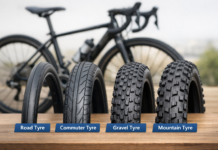
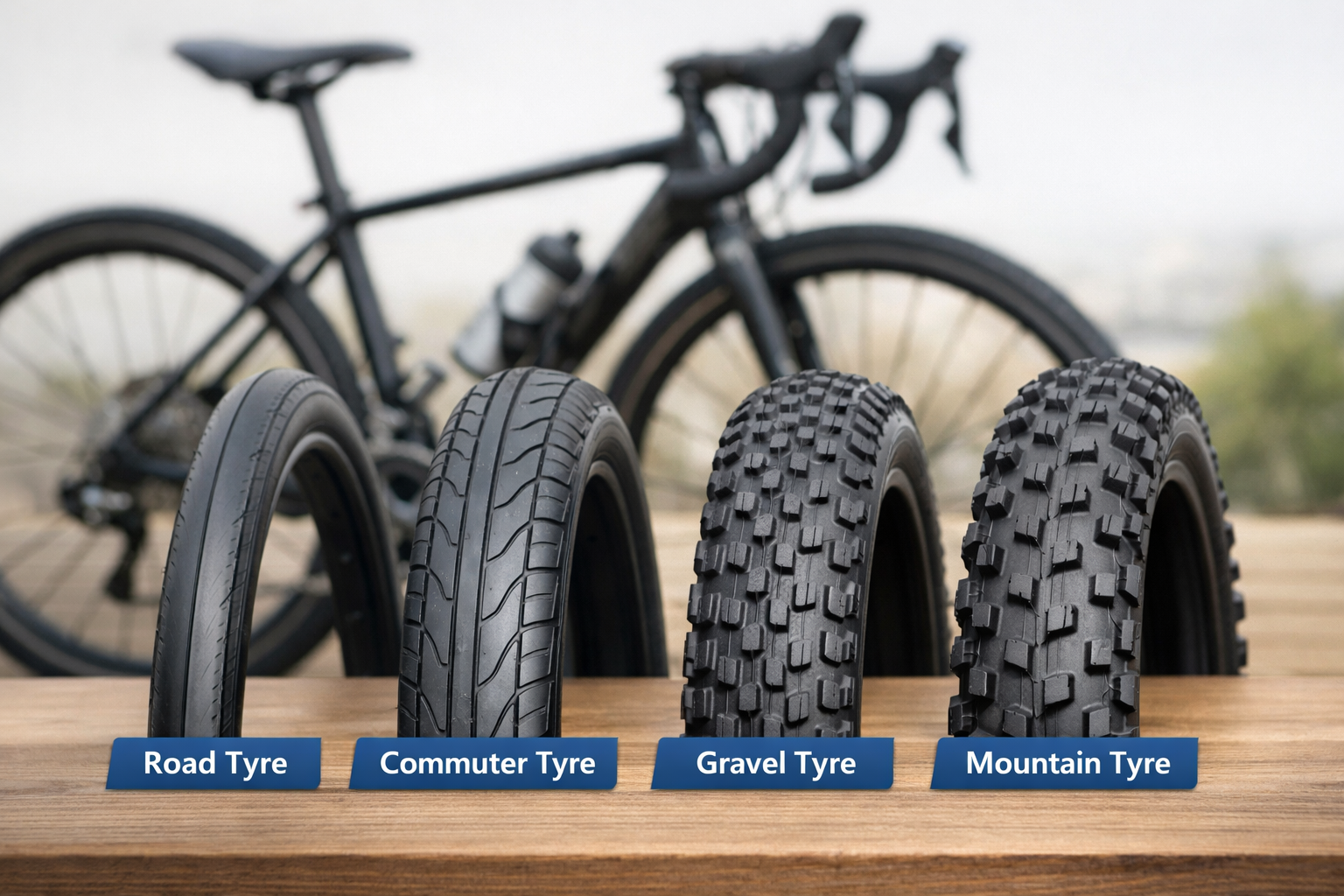
Road tyres
If your rides are mostly on proper roads, these work best. They’re thin and roll easily, so you can go faster without putting in too much effort.
Commuter tyres
These are for everyday use. City roads aren’t always smooth, so these tyres give a bit more grip and comfort. Nothing fancy, just practical.
Gravel tyres
Good for mixed rides. If your route includes broken roads or dirt patches, they feel more stable compared to regular road tires.
Mountain bike tyres
Built for rough conditions. Trails, mud, stones – these tyres are made to handle all that without slipping too much.
What’s Inside a Tyre
Most cycles use the usual setup: an inner tube inside and a tyre on the outside.
The edge of the tyre (called the bead) keeps it fixed on the rim.
The middle part (casing) holds the structure together.
And the outer layer (tread) is what touches the road.
Some tyres also have extra layers to reduce punctures, which helps if your roads are not in great condition.
Things You Should Pay Attention To
You don’t need to overcomplicate it, but a few things do matter.
Wider tyres feel more comfortable and stable. Thinner ones feel faster.
Thicker tyres last longer; thinner ones feel lighter while riding.
If you ride on roads, go for smoother tyres. For rough paths, go for ones with grip.
And yes, softer rubber grips better, but it wears out faster.
When You Should Change Your Tyres
At some point, tyres just stop performing the way they should. You might see the middle part wearing out, small cracks, or even threads showing. That’s usually the sign.
A lot of people ignore this and keep using them, but it does affect your ride. Not just comfort but even safety.
At the end of the day, tyres are the only part of your cycle that touches the ground. So even a small change there can make a big difference.
You don’t need the most expensive option, just the right one for how and where you ride. And once you get that right, cycling automatically feels